Business Name: FootPrints Home Care
Address: 4811 Hardware Dr NE d1, Albuquerque, NM 87109
Phone: (505) 828-3918
FootPrints Home Care
FootPrints Home Care offers in-home senior care including assistance with activities of daily living, meal preparation and light housekeeping, companion care and more. We offer a no-charge in-home assessment to design care for the client to age in place. FootPrints offers senior home care in the greater Albuquerque region as well as the Santa Fe/Los Alamos area.
4811 Hardware Dr NE d1, Albuquerque, NM 87109
Business Hours
Monday thru Sunday: 24 Hours
Facebook: https://www.facebook.com/FootPrintsHomeCare/
Instagram: https://www.instagram.com/footprintshomecare/
LinkedIn: https://www.linkedin.com/company/footprints-home-care
Most households observe it slowly. A parent who once prepared full meals now picks at toast. Groceries ruin in the refrigerator. Preferred dishes vanish from the rotation, changed by crackers, microwave cups, or nothing at all. Weight begins to drop, or blood sugar level creeps out of variety.
Nutrition issues in later life hardly ever originate from one simple cause. They come from an accumulation of small barriers: arthritic hands that struggle with jars, a foggy memory that misses out on lunch, a fixed earnings that makes fresh fruit and vegetables seem like a high-end, sorrow that takes appetite, or medication negative effects that turn food sour.
Home care, when it is done well, satisfies seniors at that crossway. At home senior care does even more than light housekeeping and rides to consultations. For lots of older adults, especially those identified to age in place, a thoughtful caretaker can be the distinction in between simply getting by and actually keeping strength, self-respect, and satisfaction in daily life.
This is specifically clear in communities like Albuquerque, where households are frequently spread across cross countries, and senior citizens are determined to stay in the homes and neighborhoods they know. Albuquerque home care agencies that take nutrition seriously see the causal sequence in everything from state of mind and mobility to less emergency situation medical facility visits.
The details matter, and much of the work is quieter and more individual than glossy brochures suggest.
Why nutrition breaks down when senior citizens live at home
Before taking a look at how home care assists, it helps to be blunt about the kinds of obstacles elders face with food and everyday regimens. Households typically underestimate these until there is a crisis.
Many older grownups deal with a mix of concerns:

Layer on health conditions. Somebody with heart failure might be on a low-sodium diet plan, an individual with diabetes has to balance carbs and medications, and those with kidney illness have complex constraints around potassium and phosphorus. All of that can turn consuming into a source of stress and anxiety rather than satisfaction. When food seems like a test, some individuals pull out as much as they can.
Cognitive changes add another level. With early dementia, a senior might forget that food remains in the oven, or eat the exact same small treat throughout the day, persuaded they already ate. They might end up being suspicious of certain foods or unwilling to discard spoiled items due to the fact that they no longer trust their judgment.
Social and psychological factors are simply as powerful. Widowed seniors often state that "cooking for one" feels pointless. Depression, loneliness, and sorrow moisten cravings. Some individuals skip meals to extend their budget, specifically when prescription costs climb.
When you include these together, even somebody living in a fully equipped kitchen with a complete pantry can wind up malnourished. That is where senior home care can silently reset the whole environment.
How in-home care stabilizes day-to-day nutrition
Good home care for seniors does not begin by handing out diet plan sheets. It begins by listening. An experienced caregiver or nurse asks what the individual likes, what foods feel reassuring, when they choose to consume, and which jobs are hardest. Only then do they begin to construct a sustainable routine.
Several themes tend to show up again and once again in reliable at home care.
Turning meals back into a shared activity
Food is social. Lots of older adults consume better when someone else is in the cooking area with them. In-home senior care employees frequently serve as both coach and buddy. They might sit at the table and chop vegetables along with the client, or simply share the meal and conversation.
Something as small as "Let us taste this together and see if it requires more spices" can bring back a sense of control and enjoyment. Families who live out of town are normally alleviated to hear that their parent is not eating every meal alone.
Removing physical barriers in the kitchen
One of the most practical roles of elder care in your home is to make cooking areas functional again without turning the area into a hazard.
A caregiver might restructure frequently utilized products to waist height, so a customer does not need to reach high shelves or crouch to the flooring. They can transfer sugar, flour, or cereal into containers with easy-open covers, put a contrasting placemat under plates to help aesthetically impaired customers see their food, or established a stable stool so that peeling potatoes no longer implies standing for 30 minutes.
Many caregivers silently end up being "kitchen ergonomics" specialists out of requirement. They see, over and over, that when the environment supports the senior, nutrition tends to enhance naturally.
Bringing structure to the day
Regular meals and snacks help stabilize blood glucose, energy, and mood. Left alone, some senior citizens wander into unforeseeable patterns, skipping breakfast, grazing late at night, or mixing up medication and meals.
A constant presence in the home, even just a few hours most days, assists bring back routine. Caregivers can develop routines such as a small, protein-rich breakfast within an hour of waking, a midmorning snack, and a primary meal when the senior feels most energetic. For many, that is previously in the day rather than a late dinner.
Medication timing is part of this puzzle. Particular drugs work best when taken with food, others require an empty stomach. In-home care employees who take note of these information prevent the cycle of "I felt sick after that tablet, so I stopped eating when I take it."
Shopping and meal preparation that match reality
A meal strategy that looks ideal on paper but overlooks the regional grocery choices, budget plan, and actual preferences will not last. Experienced caretakers begin by looking into the kitchen, fridge, and freezer. They see what is already familiar, what is going to waste, and what is missing.
For senior citizens in Albuquerque, that might indicate developing around local staples: beans, tortillas, eggs, frozen veggies, and seasonal fruit and vegetables from close-by markets. A caretaker can gently shift a client from high-sodium canned soups toward simple homemade stews, or from sugary beverages toward flavored water and organic teas, but just if the options are easy to keep between visits.
When transport is an issue, home care staff frequently handle the grocery shopping, help the client order online, or collaborate with neighborhood programs that deliver meals or fresh food boxes. That closes a significant space for numerous families.
Specific ways caretakers enhance nutrition day to day
Although each senior is various, certain recurring techniques appear in effective home care.
- Assessing hunger and weight patterns, then sharing interest in household or nurses before a crisis develops Preparing nutrient-dense, easy-to-chew meals that match dietary restrictions recommended by clinicians Encouraging hydration with practical methods such as keeping water within reach in every space and using small sips typically Monitoring for swallowing troubles, queasiness, or brand-new food refusals that could signal medication issues or illness development Keeping a low-key food journal, noting what the client really consumes and at what times, so patterns become visible
None of these is particularly dramatic. Together they offer a safeguard around nutrition, which is generally impossible to maintain from a range with periodic visits.
Beyond food: how senior home care supports daily well-being
Nutrition and day-to-day wellness work in both instructions. When movement, mood, and safety enhance, so does cravings. Similarly, when a person consumes enough, they think more plainly, stroll more steadily, and sleep better. Home care influences both sides of that relationship.
Supporting movement and strength
Malnutrition compromises muscles, that makes falls most likely and motion more uncomfortable. Then the person ends up being more inactive, burning even less calories, losing more muscle, and often eating even less. It is a vicious cycle.
In-home care teams frequently break that cycle by combining suitable activity with much better food. After a main meal, a caretaker might encourage a brief walk down the hallway or outdoors to the mail box, depending on ability. They may guide easy chair workouts or range-of-motion regimens prescribed by a physical therapist.
Small dosages of movement, done regularly, help maintain leg strength, balance, and confidence. Customers who feel consistent on their feet are more ready to stand at the sink to wash fruit or heat something on the stove, which keeps them engaged with their own meals rather than entirely depending on ready-made options.
Managing medications that impact hunger and digestion
Many typical drugs for blood pressure, pain, anxiety, and cardiovascular disease can dull the taste of food, trigger dry mouth, or trigger queasiness and irregularity. Without somebody in the home to see, these negative effects quietly erode nutrition.
Attentive caregivers spot patterns: "She has actually been pressing food away because the new pill was included" or "He eats fine in the morning but declines dinner after his afternoon dosage." They can not change prescriptions, but they can record what they see and report it to nurses, doctors, or case managers. That info is typically what triggers a medication review.
Simple non-pharmacologic actions likewise assist significantly: encouraging fiber and fluids for constipation, offering mild, room-temperature foods for queasiness, or using sugar-free lozenges to ease dry mouth. These small changes keep eating from ending up being a battle.

Hygiene, self-respect, and appetite
It is easy to ignore how carefully individual hygiene and appetite connect. Elders who feel neglected, with unwashed hair or clothes, often lose interest in meals. They may avoid drinking to minimize restroom journeys, which gets worse dehydration.
Home care staff support bathing, grooming, and dressing at a level that feels respectful instead of infantilizing. When someone is clean, in comfy clothing that fit, and sitting at a cleared table instead of consuming on the edge of a bed, they tend to eat more and delight in it.
This is among the peaceful benefits of in-home care for parents who strongly resist more institutional settings. They keep their own valuables, their chair, their preferred mug, but acquire the assistance that allows them to use those things.
Emotional wellness and companionship
Loneliness is an effective appetite suppressant. Lots of senior citizens admit that when nobody is coming over, they hardly bother with a genuine meal. They may treat on cookies or crackers in front of the tv and call it dinner.
The existence of a constant caretaker modifications that emotional landscape. Conversations about family, memories, or community news while preparing a basic meal can rekindle interest in food. A caretaker who remembers that the customer's mother utilized to make green chile stew and provides to help make a moderate variation together is not just cooking, but reinforcing identity and continuity.
Families are typically stunned that even a couple of hours of companionship numerous days a week can shift a parent from "just munching" to "in fact finishing a plate."
The regional layer: Albuquerque home care and regional factors
Albuquerque and surrounding neighborhoods have particular conditions that shape how home care supports nutrition and daily life.
The high-desert environment makes dehydration a relentless threat. Older grownups are currently less likely to feel thirst; add dry air and, in the summer, intense heat, and fluid requires climb. Home caretakers in Albuquerque discover to build hydration into the regular as naturally as breathing. They fill water bottles before a walk, put a glass before medication, keep herbal tea or low-sugar aguas frescas in the fridge.
Humidity in the house is typically low, which can dry mucous membranes and blunt taste. That, in turn, dissuades eating. Moderate broths, sauces, and wet foods help neutralize this, and caretakers often become skilled at changing textures without making meals feel "institutional."
Cultural food choices also matter. Numerous older New Mexicans matured with particular meals and flavors: corn, beans, squash, red or green chile, tortillas, and stews. A nutrition plan that ignores these in favor of boring "senior diet plan" recommendations is unlikely to stick. The best Albuquerque home care groups deal with those traditions, not versus them. They help adapt preferred recipes to meet salt, fat, or carbohydrate guidelines where needed, instead of changing them with unfamiliar options.
Urban layout matters too. Not every neighborhood has simple access to big grocery chains. Some seniors rely on smaller markets, corner store, or weekly trips coordinated with household. Caregivers bridge those gaps with prepared shopping trips, kitchen stocking methods, and, when suitable, referrals to regional meal shipment, senior centers, and food assistance programs.
Working with families: home look after parents without taking control away
Adult children often feel pulled in between concern and regard for autonomy. They may observe weight loss or cluttered cooking areas during short visits, but when they raise it, their parents react with pride or inflammation: "I am great, stop fussing."
One benefit of senior home care is that the caretaker is not part of old family dynamics. A parent who resists guidance from a son or daughter might accept the same tip from a neutral specialist who is physically present throughout tough moments, such as struggling to open a can or almost falling while carrying a pan of boiling water.
Effective in-home care weaves family involvement into the regimen without smothering FootPrints Home Care elder care the elder. That may look like:
- Regular updates to household about weight patterns, cravings modifications, or safety concerns Clear boundaries so that the senior understands they remain in charge of their home and choices Practical communication about grocery budget plans, prescription refills, and upcoming visits Occasional "joint" visits where caregiver, senior, and family discuss what is working and what feels intrusive Respect for cultural and generational distinctions in how food, personal privacy, and help are seen
When these components line up, home care for parents ends up being a partnership rather than a power battle. Families can go back from continuous concern and step into more unwinded, significant visits: sharing stories, checking out image albums, or attending a grandchild's recital, rather of racing around the kitchen and pillbox for the entire visit.
Selecting an at home senior care supplier with a nutrition focus
Not every agency or independent caretaker techniques nutrition with the very same depth. When families check out elder care alternatives, it assists to ask targeted questions rather than depend on basic guarantees about "meal prep included."
Consider this short list as you evaluate providers:
- Ask who actually prepares meals and how they coordinate with a physician's or dietitian's recommendations Find out whether caretakers get training on unique diets, such as low-sodium, diabetic, kidney, or texture-modified plans Ask how they keep an eye on changes in cravings, weight, or hydration and how quickly they pass on issues to families or nurses Clarify whether grocery shopping, kitchen organization, and assistance with eating are all within the scope of service Request examples, without names, of how they have actually adjusted to challenging situations, such as a customer with dementia who refuses most foods
The quality of the responses matters more than sleek marketing. Try to find specifics, not vague pledges. A supplier deeply engaged with nutrition will explain genuine problem-solving: how they dealt with a customer who would just consume particular foods, how they worked around a minimal budget, or how they assisted stabilize a senior's blood sugar through collaborated meal timing.
Local recommendations matter also. In Albuquerque, neighbors talk. Ask doctors, medical facility discharge coordinators, and senior centers which companies consistently support clients in your home without a pattern of duplicated emergency visits.
When is it time to include home care?
Families often wait until a fall, hospitalization, or major weight reduction before generating home care. From a professional perspective, the earlier assistance starts, the more independence can be preserved.
Warning signs that recommend it is time to check out senior home care include clothing that suddenly hang loose, ended food or extremely little genuine food in the refrigerator, confusion about medications or missed doses, duplicated small falls or near-falls in the kitchen, or a general withdrawal from favorite activities.
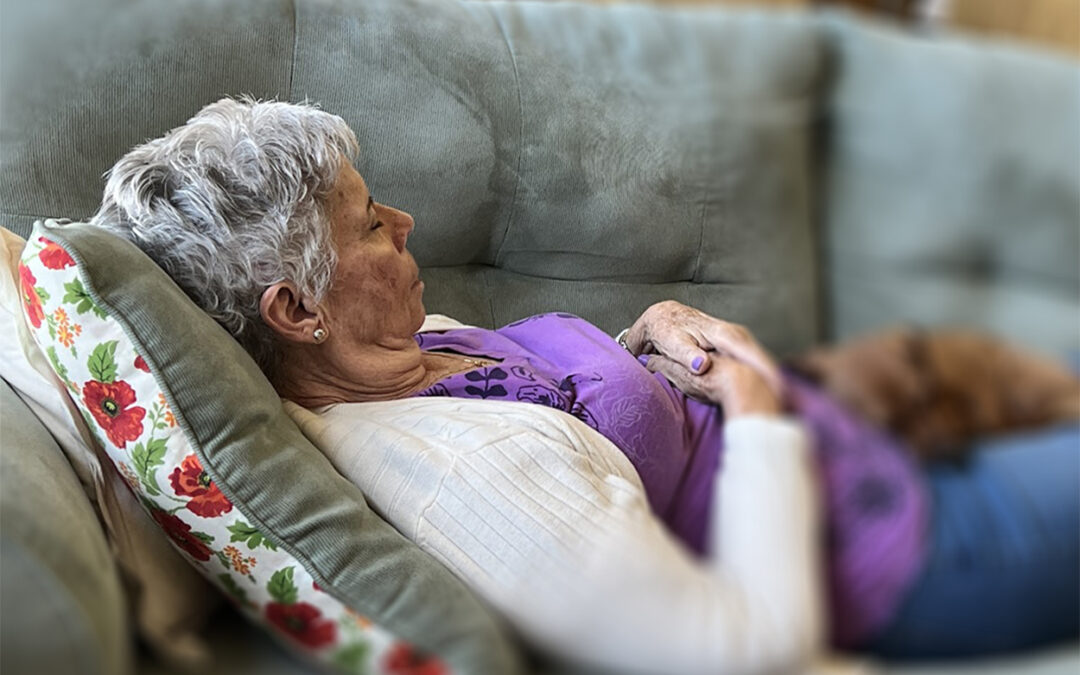
Some families explore a restricted schedule initially, such as a couple of mornings or afternoons each week focused on meals and light activity. If that works out, more hours can be included. It is typically easier for a happy parent to accept "a little assist with the heavy things" than a full-blown intervention.
The secret is to frame home care not as a loss of independence, however as a tool to hold onto it longer. A senior who consumes well, moves safely, and has companionship is much more most likely to stay in their own home than somebody struggling alone with concealed malnutrition and unmanaged health issues.
The much deeper effect: safety, healthcare facility avoidance, and quality of life
From a medical point of view, good nutrition in the house lowers risks that families seldom link straight to food. When senior citizens drink and eat effectively, they maintain much better blood pressure control, less urinary tract infections, better injury healing, and more stable state of minds. Each of these decreases the chance of emergency room visits and unexpected health center admissions.
Hospitalizations, in turn, typically speed up practical decrease. A brief pneumonia admission can lead to muscle loss, delirium, and new reliance in someone who was just hardly managing before. Preventing those spirals through reasonably simple, consistent support in the house is one of the quiet successes of thoughtful home care.
At a more human level, food is one of the last everyday satisfaction lots of people keep. Being able to sit at a familiar table, taste preferred dishes, talk with someone who understands their story, and feel strong enough to get up and walk afterward is not a small thing. It is a big part of what makes life seem like life rather than simple survival.
Home care exists in that daily space. It is not attractive, however when done well, it is deeply efficient. It turns kitchen areas back into livable areas, regimens back into stabilizing anchors, and meals back into moments of connection. For elders intent on staying at home in Albuquerque or anywhere else, those are the building blocks of genuine wellness.
FootPrints Home Care is a Home Care Agency
FootPrints Home Care provides In-Home Care Services
FootPrints Home Care serves Seniors and Adults Requiring Assistance
FootPrints Home Care offers Companionship Care
FootPrints Home Care offers Personal Care Support
FootPrints Home Care provides In-Home Alzheimer’s and Dementia Care
FootPrints Home Care focuses on Maintaining Client Independence at Home
FootPrints Home Care employs Professional Caregivers
FootPrints Home Care operates in Albuquerque, NM
FootPrints Home Care prioritizes Customized Care Plans for Each Client
FootPrints Home Care provides 24-Hour In-Home Support
FootPrints Home Care assists with Activities of Daily Living (ADLs)
FootPrints Home Care supports Medication Reminders and Monitoring
FootPrints Home Care delivers Respite Care for Family Caregivers
FootPrints Home Care ensures Safety and Comfort Within the Home
FootPrints Home Care coordinates with Family Members and Healthcare Providers
FootPrints Home Care offers Housekeeping and Homemaker Services
FootPrints Home Care specializes in Non-Medical Care for Aging Adults
FootPrints Home Care maintains Flexible Scheduling and Care Plan Options
FootPrints Home Care is guided by Faith-Based Principles of Compassion and Service
FootPrints Home Care has a phone number of (505) 828-3918
FootPrints Home Care has an address of 4811 Hardware Dr NE d1, Albuquerque, NM 87109
FootPrints Home Care has a website https://footprintshomecare.com/
FootPrints Home Care has Google Maps listing https://maps.app.goo.gl/QobiEduAt9WFiA4e6
FootPrints Home Care has Facebook page https://www.facebook.com/FootPrintsHomeCare/
FootPrints Home Care has Instagram https://www.instagram.com/footprintshomecare/
FootPrints Home Care has LinkedIn https://www.linkedin.com/company/footprints-home-care
FootPrints Home Care won Top Work Places 2023-2024
FootPrints Home Care earned Best of Home Care 2025
FootPrints Home Care won Best Places to Work 2019
People Also Ask about FootPrints Home Care
What services does FootPrints Home Care provide?
FootPrints Home Care offers non-medical, in-home support for seniors and adults who wish to remain independent at home. Services include companionship, personal care, mobility assistance, housekeeping, meal preparation, respite care, dementia care, and help with activities of daily living (ADLs). Care plans are personalized to match each client’s needs, preferences, and daily routines.
How does FootPrints Home Care create personalized care plans?
Each care plan begins with a free in-home assessment, where FootPrints Home Care evaluates the client’s physical needs, home environment, routines, and family goals. From there, a customized plan is created covering daily tasks, safety considerations, caregiver scheduling, and long-term wellness needs. Plans are reviewed regularly and adjusted as care needs change.
Are your caregivers trained and background-checked?
Yes. All FootPrints Home Care caregivers undergo extensive background checks, reference verification, and professional screening before being hired. Caregivers are trained in senior support, dementia care techniques, communication, safety practices, and hands-on care. Ongoing training ensures that clients receive safe, compassionate, and professional support.
Can FootPrints Home Care provide care for clients with Alzheimer’s or dementia?
Absolutely. FootPrints Home Care offers specialized Alzheimer’s and dementia care designed to support cognitive changes, reduce anxiety, maintain routines, and create a safe home environment. Caregivers are trained in memory-care best practices, redirection techniques, communication strategies, and behavior support.
What areas does FootPrints Home Care serve?
FootPrints Home Care proudly serves Albuquerque New Mexico and surrounding communities, offering dependable, local in-home care to seniors and adults in need of extra daily support. If you’re unsure whether your home is within the service area, FootPrints Home Care can confirm coverage and help arrange the right care solution.
Where is FootPrints Home Care located?
FootPrints Home Care is conveniently located at 4811 Hardware Dr NE d1, Albuquerque, NM 87109. You can easily find directions on Google Maps or call at (505) 828-3918 24-hoursa day, Monday through Sunday
How can I contact FootPrints Home Care?
You can contact FootPrints Home Care by phone at: (505) 828-3918, visit their website at https://footprintshomecare.com, or connect on social media via Facebook, Instagram & LinkedIn
Antiquity Restaurant provides a warm, accessible dining experience — perfect for a comforting night out even while receiving in-home care or assisted support.